
You will finish this with nine real ChatGPT and Canva offers, what each one pays, what it costs, and the one that paid me nothing. I am 34, I live in Columbus, Ohio, and I have no design or marketing training.
I was a retail shift lead until 14 months ago. I logged every payment in one spreadsheet. In month 14 those nine offers brought in $17,450 gross, on 33 hours a week and $187 in monthly costs.
A few disclaimers first. These are my own illustrative numbers from one run, not typical results. Video paid zero. I left that zero in the total so the $17,450 means what it says.
I open with the biggest check and end with the flop. Each price sits next to its catch and its hours. That way you never read a headline number without the work that made it.
| Offer | Weekly hours | First paid week | Month 14 gross | Direct cost/mo | Tool that carries the core step |
|---|---|---|---|---|---|
| Local social media | 9 | 6 | $6,000 | $0 | Canva |
| Invitations | 4 | 10 | $2,800 | $65 | Canva |
| Pitch decks | 3 | 8 | $2,400 | $0 | ChatGPT |
| Restaurant menus | 3 | 12 | $1,800 | $40 | Canva |
| LinkedIn ghostwriting | 5 | 14 | $1,500 | $0 | ChatGPT |
| Etsy templates | 3 | 18 | $900 | $0 | Canva |
| Printables | 2 | 22 | $650 | $50 | Canva |
| Podcast notes | 4 | 16 | $1,400 | $0 | ChatGPT |
| Faceless video | 0 | never | $0 | $0 | ChatGPT |
1. Local business social-media graphics retainer
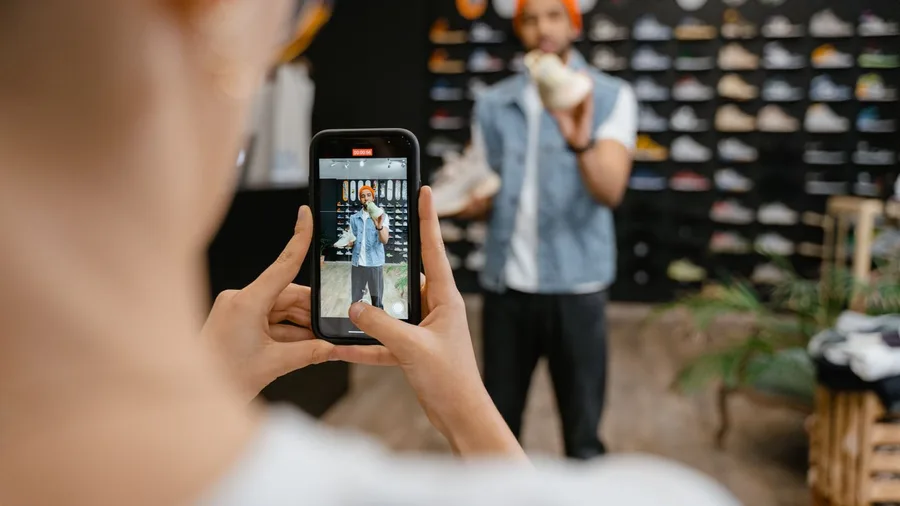
The dull part of a shop's social feed is not the design. It is sitting down every week to write 12 captions and decide what posts when, for a business you do not own. That is the job ChatGPT and Canva make repeatable.
Nine hours a week runs this retainer for me. ChatGPT drafts the month of captions and a calendar in under a minute. Canva lays out 12 posts in about an hour.
I spend 45 to 60 minutes reviewing before the owner approves, and that review is what they pay for.
Setup total: about 4 hours once to build one sample week, plus Canva Pro at $144 a year. The catch is that a missed posting week can cost the whole retainer, and client logins never go into the tool.
💡 Tip: Canva Free gives you 20 AI actions a month, shared across every feature. Once client work starts, Canva Pro at $144 a year for one user is the practical tier.
💡 PRO TIP
One page, three offers
Build one sample week, one sample invitation suite and one sample podcast page from a prospect's own logo, names and transcript. Those three samples got me my first three buyers, and each took under two hours.
2. Wedding and event invitation suites
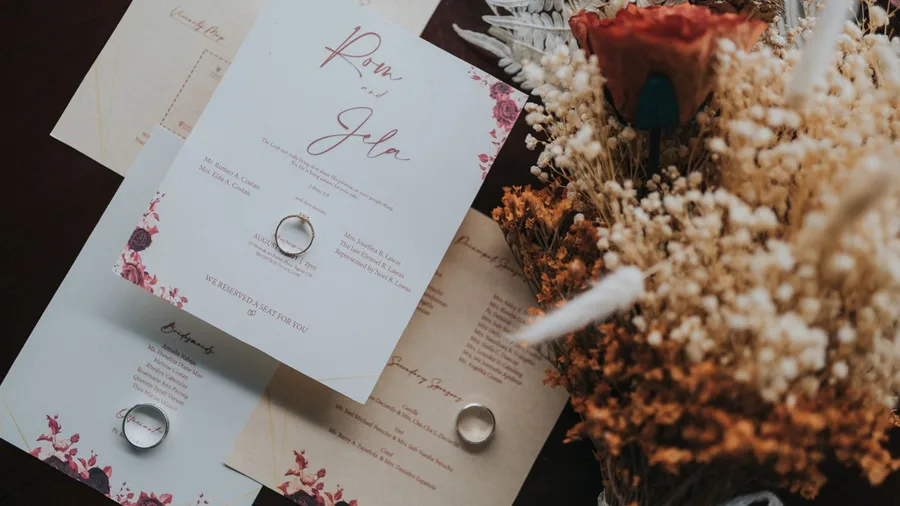
Printed samples are $65 of my month-14 gross of $2,800, and that number includes a reprint I ate. I had built a save-the-date at 5×7 when the order was for an A7.
Quick revisions and print-ready files are the sale, not the template. I build the suite in Canva in about 90 minutes, but proofing takes 30 minutes per wedding and is the part I do by eye.
Two revision rounds are quoted up front, never open-ended. Adding day-of signage to half my bookings is how one suite became a $300-plus job.
The limit matters here more than anywhere else. Bleed, margins and paper size do not go to the AI at all.
I set them by hand and print one page on real paper before sending anything to a printer. If you can meet a couple at a venue or a wedding fair, a sample in the hand closes faster than any screen.
💡 Tip: Build one free sample suite using the couple's own names and colors before the fair. A sample with their names on it closes faster than any portfolio.
3. Startup pitch-deck design packages

I did, and it pays in week 8.
But the client buying it is paying for the numbers he can defend, not the slides he can already sketch.
Three hours a week and $0 direct cost cleared $2,400 in month 14.
ChatGPT turns a messy founder outline into 10 slides of narrative in 30 to 60 seconds. Canva lays those slides out in about an hour.
Then I spend two hours fixing charts and half an hour on a review call, which is where the deck gets won.
The model will state a market size and cite a source with full confidence, and I have seen it invent both.
Every figure and link gets checked before it reaches a slide. I sell a fixed 10-slide package with one revision, so every extra slide has a price.
On one early deck the model gave me a market-size number with nothing behind it. I cut it, emailed the founder, and he pulled the real figure from his own data. That one email saved the whole slide.
Start with two local accelerator founders. One good deck refers the next, so a satisfied founder brings you the next client at no marketing cost.
⚠️ COMMON MISTAKE
Never paste the client's own data
Client passwords, customer lists and financial records stay out of ChatGPT. On personal plans, chats may be used to train the company's models unless you switch that off in settings. Strip names and numbers before you paste anything.
4. Restaurant menu and promo kits
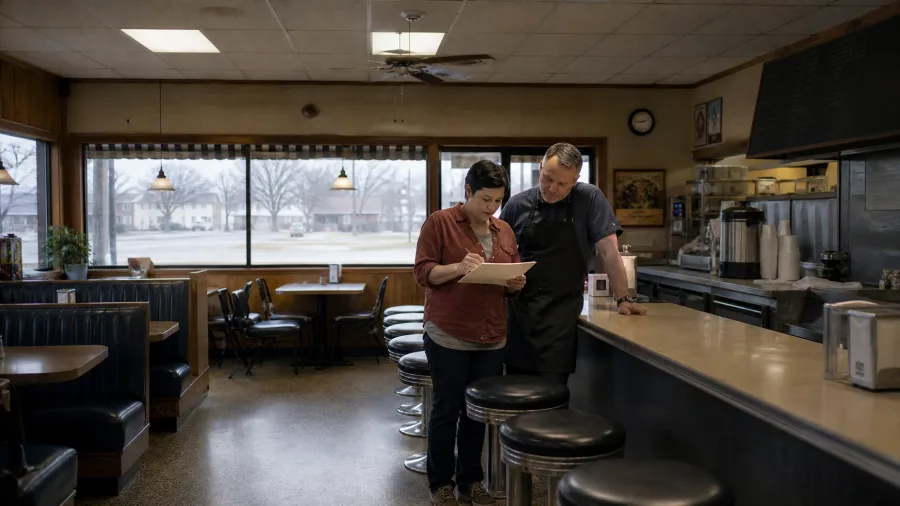
One wrong allergen line is a liability and a lost client. That is why prices, allergens and hours get copied from the owner's own menu file and never generated. The owner signs off on the proof before anything prints or posts.
Prompt to copy
You are writing menu copy for a diner. Here is their exact menu file: [paste]. Write a short, plain description for each dish in under 20 words, using only ingredients listed here. Do not invent prices, allergens, hours or claims. Then draft a 4-week promo calendar, one post idea per week, tied to a dish on the menu.
ChatGPT returns the descriptions and calendar in about a minute. Canva rebuilds the menu and 8 promo posts in roughly 90 minutes. Owner proofing runs 30 minutes on site, with the owner reading it aloud.
This pays $1,800 in month 14 at 3 hours a week, direct costs $40 for printed proofs, and first paid in week 12.
The sale: a free one-page sample menu built from the diner's own file, dropped off between 2 and 4 p.m. when the kitchen was quiet.
The owner ordered the same afternoon. Go in the off-hours, when the person who controls the menu is on the floor.
💡 Tip: Visit with the sample on a weekday afternoon. The owner placed my order during that same visit, after the lunch rush.
5. Writing LinkedIn posts for small business owners
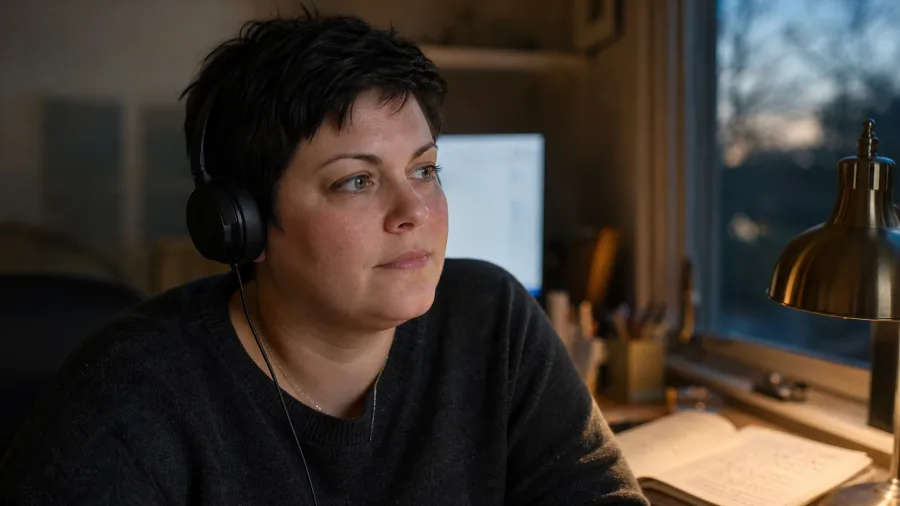
One client on a 30-day trial kept me at LinkedIn long enough to reach $1,500 a month by month 14. Every post came from a single recorded call.
No writing background, no portfolio. The method is the interview. I read each draft back against the transcript before sending.
The retainer writes LinkedIn posts and turns the best ones into Canva carousels for consultants and small B2B owners. It runs 5 hours a week, first paid in week 14, costs $0 direct.
ChatGPT turns the transcript into 8 post drafts in under a minute. Canva builds two carousels in about 30 minutes each.
The catch is the voice. ChatGPT left alone writes generic posts that get scrolled past. Plan a 20-minute call per client every month and keep a calendar of what posts when. Editing eats 45 minutes per post, because the client's phrasing has to survive mine.
This suits people who can run a structured interview and keep a calendar.
6. Etsy Canva template packs for small businesses

An Etsy shop sells editable Canva template packs to small businesses. Mine runs 3 hours a week, first paid in week 18, $900 gross in month 14, no direct cost before Etsy fees.
Step 1, ChatGPT: write the listing title, description and 10 tag ideas. You should see a short, keyword-heavy draft you can edit in seconds.
Step 2, Canva: build the 12-page template in about 3 hours. You should see a finished pack a buyer can open and edit on their own.
Step 3, listings: record a 30-minute demo video and edit underperforming listings 20 minutes at a time. One narrow pack beat a general kit. Fees come off the $900, so read Etsy's fee page first, and never use another seller's templates or fonts.
The price of starting from nothing
Every number here is from my own ledger or a listed plan price as of October 2026
Pricing from the ChatGPT and Canva pricing pages, October 2026.
7. Printable planners and kids' learning sets

Prompt to copy
You are a product planner for a printable shop. Build a 30-page budget planner for one buyer: a 25-year-old renting in a city and saving for a first apartment. List every page title in order, plus three activity or worksheet ideas for each. Keep the language plain and the pages printable on US Letter paper. No prices, no logos, no jokes.
That prompt runs in ChatGPT and about a minute later returns the full page list and the activity ideas.
My best seller came out of it: a budget pack aimed at renters, not a general planner.
A general one, drawn by hand in a design program, took me two weekends before I sold anything.
After the outline, Canva laid out the pages in about 2 hours. I keep a 0.25-inch margin on every edge, then print test at 30 minutes and shoot listing images in 20.
The test matters most: printers crop edges differently, and files that clip text bring refunds and bad reviews. That is what the $50 of paper in my ledger bought.
The narrow pack beat the broad one every time. One age or one budget per set, plus a free one-page sample that grew my email list, earned $650 a month by month 14 on 2 hours a week.
That is the lowest-risk offer I ran and the slowest to pay, at week 22.
By hand: two weekends for the first draft · With ChatGPT and Canva: about 3.5 hours including the print test.
8. Podcast show notes and cover graphics
Podcast show notes are a summary job, not an audio job. I never edit a second of tape. A podcaster sends the transcript, and I send back show notes, timestamps, titles and an episode cover.
The catch is names. One wrong guest name ends the retainer, so I check every timestamp against the file by hand and keep a style sheet per client. The work runs 4 hours a week and pays $1,400 a month.
ChatGPT reads a 60-minute transcript and drafts the notes in 1 to 2 minutes. Canva makes the cover in about 15. Checking takes 30 minutes. I pitched five local podcasters a free sample inside 24 hours. First payment came in week 16.
💡 Tip: Deliver the first sample in under 24 hours. Speed is what wins this retainer, not a fancy cover design.
📈 My actual 14-month ramp, week by week in gross
Months 1 to 3
Gross was $0 while I built samples and made the first ten shop visits.
Month 4
The first $300 came in, from a single week of local social graphics.
Month 6
Gross passed $1,100 as the retainer and pitch decks stacked up.
Month 10
Gross reached $4,900 after invitations and podcast notes added their retainers.
Week 20
I dropped faceless video and moved that hour into the local social retainer.
Month 14
Gross hit $17,450 on 33 hours a week and $187 in monthly costs.
9. Faceless quote videos for YouTube Shorts

The tedious part of short-form video is the upload: re-captioning, re-timing and posting every day to keep an audience that does not exist yet. That repetition, not the creativity, is what drains a beginner.
My version was ChatGPT quotes over Canva backgrounds, posted to YouTube Shorts. The scripts took a minute and the backgrounds 30 minutes. Editing and captions took 45, uploads 15, and the whole method was budgeted at 1 hour a week.
It never paid. Views came and buyers did not, because short-form needs daily posting and a niche. In week 20 I dropped it and moved that hour to the local social retainer, the offer that already had clients paying me.
Meanwhile the podcast notes had cost a 2-minute ChatGPT read per episode. The video cost 45 minutes of captions per clip. That gap is the whole story: one produced a file a client pays for, the other produced a view count.
Two times: a week of quotes by hand, 4 hours plus turnaround. Through the tool: 1 to 2 minutes for scripts and 30 minutes for backgrounds. The checking and posting still ran long. Skip it until the service offers are paying.
Frequently Asked Questions
Do I need design experience to start any of these offers?
No. Canva's templates do the layout and I fix the text, spacing and margins. The skill buyers pay for is reviewing and proofing, not drawing. I had never built a deck before my first one.
How much do the tools cost at the start?
ChatGPT Free costs nothing, and Canva Free costs nothing with no time limit but limits AI actions to 20 a month, shared across every feature. I pay $20 a month for ChatGPT Plus and $144 a year for Canva Pro, which works out to about $32 a month together. Prices are as of October 2026.
Why is the faceless video offer in the list if it made $0?
Because leaving it out would inflate the total. It ran for 20 weeks and paid nothing. The $17,450 only means something if the zero is sitting inside it, next to the offers that worked.
Can I paste client files into ChatGPT?
Not with names, passwords, customer lists or financial records in them. Strip those first. On personal plans, chats may be used to improve the company's models unless that is switched off in settings. I keep client logins out of the tool entirely.
Which offer paid first?
Local social media, in week 6. It also had the lowest direct cost at $0. The slowest was printables at week 22. The gap between them is why I would test the retainer first.
How long before I see four figures a month?
In my ledger, month 6 passed $1,100. That came after three months of $0. The ramp is uneven, and results depend on finding buyers, not on the tool.
The offer to open before Friday, chosen by how you sell
If you can walk into shops, start with the local social retainer. It paid in week 6 and costs $0 to deliver beyond your subscription. Build one sample week from a shop owner's own logo, then visit 10 in one afternoon.
If you would rather sell a product than a service, start with a narrow Etsy template pack. If you cannot do either, start with podcast show notes. Skip faceless video for now, because it paid me nothing in 20 weeks.
My ramp was three months of $0, $300 in month 4, $1,100 in month 6, $4,900 in month 10, then $17,450 in month 14. Pick one offer and run it for 12 weeks before you add a second.