
The historic SS United States, once a symbol of American luxury and engineering prowess, may soon find a new home beneath the waves.
Okaloosa County, Florida, has signed a tentative agreement to transform this storied ocean liner into the world’s largest artificial reef.
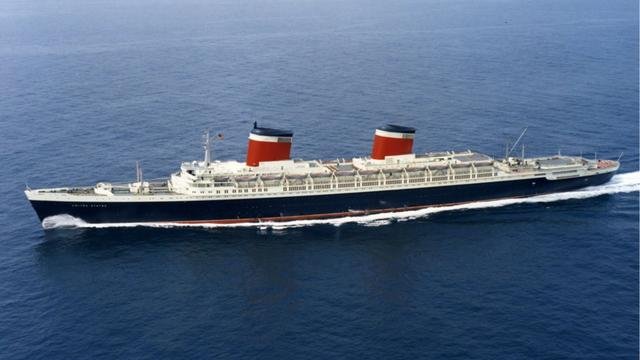
The plan to sink the SS United States comes after years of uncertainty regarding its future.
The deal, greenlit by Okaloosa County officials, hinges on resolving a legal mediation over unpaid rent and docking fees.
If all goes as planned, the ship will be submerged off the coast of Destin-Fort Walton Beach, already home to more than 500 artificial reefs.
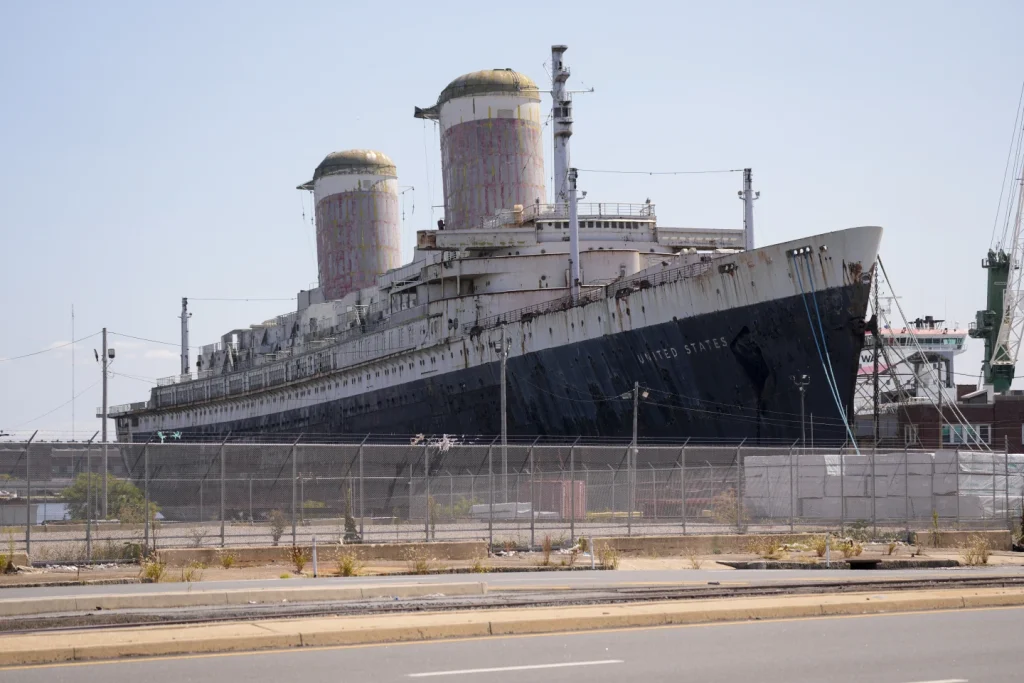
Built in 1952, the SS United States was the largest passenger ship ever constructed in the United States.
Setting records with its incredible speed, including a transatlantic crossing still celebrated today, the ship was designed by renowned naval architect William Francis Gibbs.
Known for its safety and speed, the liner was built with military-grade technology, including a near-complete lack of wood in the passenger areas to minimize fire hazards.
Despite its prowess, the rise of air travel curtailed the SS United States’ commercial success.
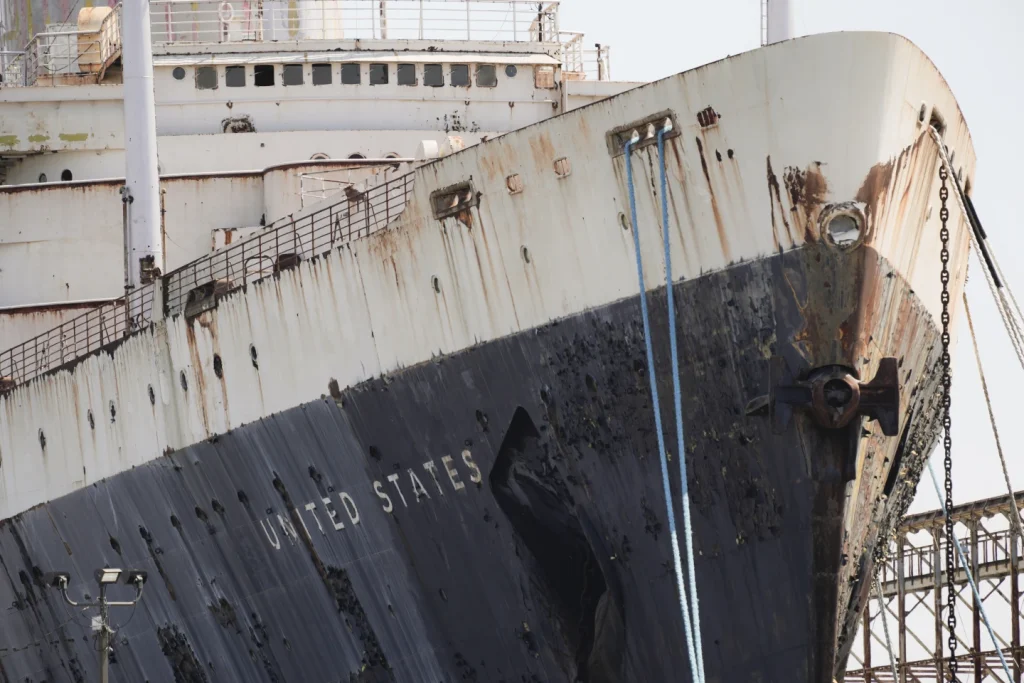
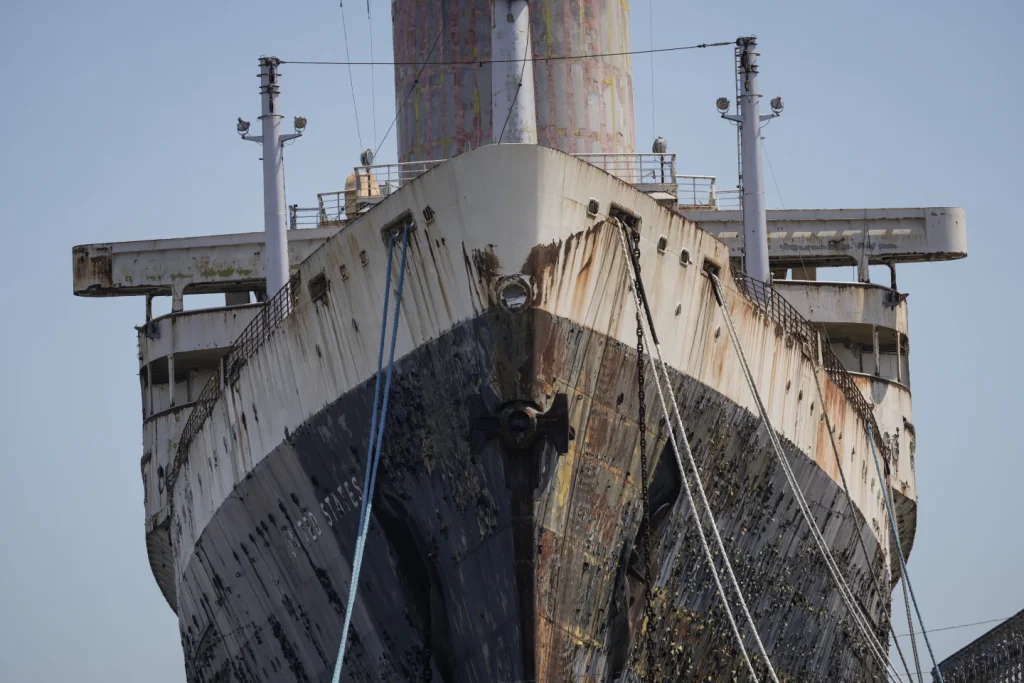
Retired in 1969 after just 17 years of service, the ship has since sat in disuse, with various proposals to convert it into a museum or tourist attraction falling through.
The new initiative offers a fresh opportunity to preserve the ship’s legacy while benefiting the local environment and economy.
As Okaloosa County Commissioner Mel Ponder remarked, the ship’s transformation into a reef “is a heritage and a legacy that is generational.”
He emphasized the project’s potential to enhance the diving and fishing communities, alongside broader community benefits.
Economically, the ship’s new role could generate millions of dollars annually for the local tourism industry.
Scuba shops, charter boats, hotels, and other businesses are likely to see increased activity from tourists eager to explore the historic liner in its underwater setting.
Environmentally, converting the SS United States into a reef will create a sanctuary for marine life.
Artificial reefs provide essential habitat and breeding grounds, boosting biodiversity. Once sunk, the massive structure is expected to attract various fish, coral, and other sea life, turning it into a thriving underwater ecosystem.
Susan Gibbs, president of the SS United States Conservancy and granddaughter of the ship’s designer, expressed her enthusiasm for the project.
“The SS United States has inspired millions the world over as a symbol of American pride and excellence.
Should the ship be converted into an artificial reef, she will become a unique historic attraction above and below the waterline,” she said.
However, the project does face challenges.
The estimated cost of cleaning, transporting, and sinking the ship could exceed $10 million.
The timeline for these processes is also extensive; preparing the ship for sinking is expected to take over a year, with another six months to a year needed to plan its final resting location.
Nonetheless, Okaloosa County officials remain optimistic.
The ship is expected to become an artificial reef sometime between 2025 and 2026. This will be the first instance of an ocean liner of this size being deliberately sunk to create a reef.
The SS United States Conservancy acknowledges that the move may be “deeply challenging” for those who have long supported efforts to repurpose the ship.
However, they argue that sinking the ship as a reef would save it from being scrapped and support a dynamic museum dedicated to its history.
The SS United States transported four U.S. Presidents and numerous celebrities during its service.
Originally designed as a convertible troop carrier, capable of transporting 14,000 troops about three times the distance from New York to Lisbon without refueling, the ship’s historical significance is immense.
As Okaloosa County prepares to finalize the purchase and undertake this ambitious project, the transformation of the SS United States into an artificial reef promises to merge historical preservation with environmental and economic growth.