
The old way to make an extra $300 went like this: you found a buyer, agreed a price, did the work, and sent the invoice. Now a short video says you post at 5:55 p.m. and ChatGPT handles the rest.
That is the whole pitch. No prompt, no price, no named buyer, no finished file – just a minute on the clock and a daily figure attached to it.
By the end of this you will know where 5:55 came from, what ChatGPT time is actually worth task by task, and which of the four paying routes survives the arithmetic. You will also have one small thing to sell this week.
Every claim here gets the same question: who pays whom, for what finished file, and what does the human still have to do after the model stops typing.
| Task | By hand (minutes) | ChatGPT's own time | Your review and edit (minutes) | Best-suited tool |
|---|---|---|---|---|
| 700-word first draft | 45-60 | 10-60 seconds | 30-45 | ChatGPT |
| Long PDF or meeting transcript read and summarized | 50-70 | 1-2 minutes | 30-60 | Claude |
| Fact-checked one-page client brief | 60-90 | 10-60 seconds | 30-45 | Perplexity for the check, ChatGPT for the draft |
| Competitor and pricing scan | 60-120 | several minutes to about 30 | 30-45 | Perplexity or a deep-research mode |
| Listing or bio rewrite | 20-30 | 10-30 seconds | 15-25 | ChatGPT |
There is no procedure behind the 5:55

Strip the timestamp down and there is nothing attached to it: no text to type, no checkbox, no account setting that flips.
Reposted versions disagree on what supposedly happens at 5:55 p.m., which is a bad sign on its own. Some say the feed pushes a post higher. Others say the model answers longer or smarter, echoing new ways people are using ChatGPT in that minute.
Pick one and it falls apart on inspection.
OpenAI's help pages, release notes and product documents describe no 5:55 step anywhere. The whole instruction is a clock time and a promise, with no sample prompt and no setting named.
A genuine technique says what changes in the output, such as a citation, a longer answer or a fixed format. This one says nothing, so there is nothing to test and nothing to repeat on an ordinary Tuesday in November.
The one thing worth opening is the source the video links to, if it links to one at all. Read the page, the footnote or the product note before typing anything at that minute. The answer sits in the document, not in the comments.
💡 PRO TIP
Read the footnote, skip the course
The entire 5:55 story traces back to one reported footnote about a launch party. Open the linked source, read the sentence above the timestamp, and you have everything the course is charging for.
5:55 comes from a launch party, not a method

A date and a party time is the whole of the record. Per Futurism, OpenAI shipped a model on April 23 that took over as ChatGPT's default on May 5.
The model itself picked 5:55 p.m. for its launch party. That is a company story about one release, not a documented behavior of the product, and it says nothing about what anyone's account gets at that minute.
It keeps getting repeated because it sounds precise and checkable, and it lets the sharer feel in the know.
A footnote detail like that reads as insider knowledge once the sentences around it are cut away.
Delete the release date and the default-switch date, and only a time of day is left.
After the source check, the reader holds a date and a party time. There is still not one instruction for what to do at 5:55. That absence is the entire rule.
$300 a day is $109,500 a year

A day rate that never takes a day off is a salary claim. Run the math: $300 a day, seven days a week, comes to $2,100 a week and $109,500 over 365 days.
That total arrives before costs, fees, refunds and tax. It is the shape of a job, not a side income.
At $30 a deliverable, clearing $300 a day means 10 sales every single day. Over a year that is 3,650 paid deliveries, sick days, travel days and closed-laptop days included.
No first week with zero clients and no quiet month sits anywhere in the figure. That missing ramp is why a pitch structure reads like a wage.
What to check instead: the going rate for one named deliverable in the reader's own market. Ask three likely buyers what they would pay for that specific file. Do it before any tool enters the conversation.
The draft takes seconds; the checking takes the afternoon
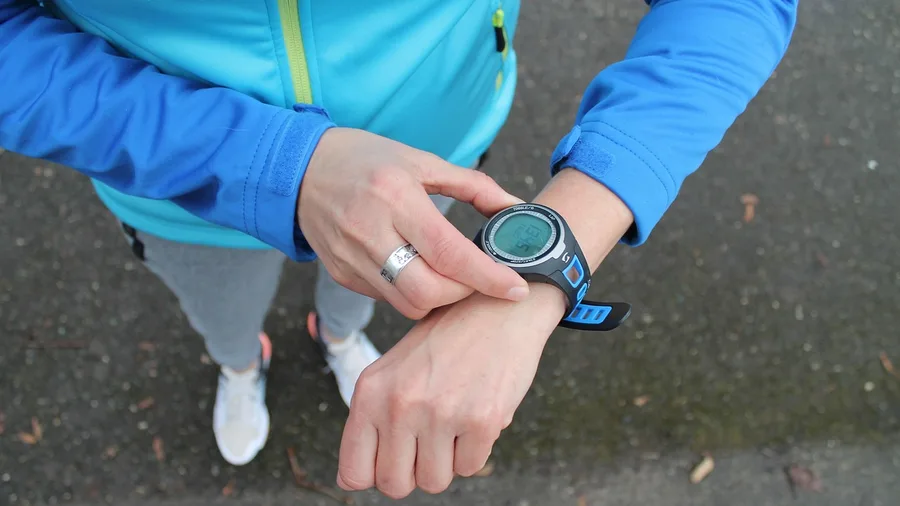
Time the model's output against the person's review, and the gap is the whole wage argument. A 700-word draft appears on screen in 10 to 60 seconds.
Upload a long PDF or a meeting transcript and the summary arrives in about one to two minutes. Watch a stopwatch once and the fast half of the job is over before the coffee cools.
The slow exceptions are the research and agent modes, where the tool browses dozens of pages. Those run for several minutes and sometimes close to half an hour. Even then you get a heap of sentences making claims, not a file anyone can send.
What decides whether the job pays is the 30 to 60 minutes after that: checking every name, number, quotation and link. These tools invent all four with full confidence, in clean prose that reads like the real thing.
So the buyer is paying for the checking, not the typing. What they contract is a person who confirmed the names and can be held to the file if one turns out wrong.
⏱️ Where the minutes actually go on one paid job
Ask for the draft
Type the brief into ChatGPT and get a 700-word first pass back in 10 to 60 seconds.
Read it cold
Check every fact, figure, quote and link, because the model states invented ones confidently.
Rewrite
Fix the structure, cut the filler, and put the client's own words back where they belong.
Second pass
Compare the file against the brief line by line and confirm nothing the buyer asked for is missing.
Send and invoice
Deliver the finished file, then record the minutes you spent so the next quote is priced from real time.
Only four routes actually pay, and none are instant

Once you count the hours at a real rate, nobody pays for speed. The ordinary ways people earn online are freelance work, making content, selling a service, and ad revenue.
There is no fifth door, and every one of them needs a customer on the other side.
Each route needs the piece the video leaves out. Freelance work needs a client. Content needs a body of past work someone can scroll. Ads need an audience that turns up on its own. A service needs a buyer who says yes to a price.
ChatGPT sits inside the task as an assistant. What changes hands is still your judgment and your name on the file. That is what a buyer is agreeing to when they pay.
The proof worth chasing is one small paid job, not a streak of days. Count the wait in weeks, not hours, and let a single cleared invoice tell you the route works for you.
The pitch versus one real job
What the video describes
- A per-day dollar figure with no buyer named
- A precise time of day as the mechanism
- Screenshots with no client or invoice visible
- Urgency, a countdown, a course behind it
- Ramp and dry spells left out entirely
What one paid job looks like
- One named deliverable priced for one buyer
- 30 to 60 minutes of checking per draft
- A week or more before the first payment
- A finished file your name sits on
- Hours and costs written down beside the income
The money in these videos flows to the poster

Follow the money in one of these clips and it stops at the person talking. The revenue comes from the video itself, from a course sold behind it, and from a paid link in the description.
That is an affiliate link: a tracked link that pays the poster a commission when you click it and buy.
Try the method and the poster earns nothing more. That gap is the first tell. Reported warnings describe clips promising 300 euros a day in ChatGPT as mostly scams, often built on psychological pressure, according to Baku.ws.
The line to keep from those warnings: legitimate income comes from freelance work, content production or service sales. It never promises hundreds within days.
Spot it early and you keep the course fee, the upsell, and the week you would have spent chasing a timestamp. One question to one buyer about one price replaces all of it.
Four claims, checked
Five tells that give the next one away in seconds

Once the pattern is clear, it folds into five checks you can run on the next video without opening a single search tab.
The first two are a per-day dollar figure and a precise time of day, because no working freelancer quotes a rate by the day and a clock.
The next three are screenshots with no client name or invoice in the frame, a countdown or urgency push, and nothing in the pitch that a buyer would pay for. Two or three of those in a ten-second scroll is enough to close the tab.
Not every repost is a con. A plain reshare with no link, no course and no price behind it is a person repeating something they believed, and it deserves a reply, not an accusation. Look for what is being sold before you name it.
What good looks like: one named file, a price, and a turnaround in days. That is a sentence a scammer cannot write and a freelancer says without thinking.
Then ask the two-second question and keep asking it: who pays whom, and for what finished file.
⚠️ COMMON MISTAKE
The upload is the risk, not the typing
A client's NDA and work-for-hire terms still apply to anything you put in the chat window, and the chat is not a party to that contract. Strip names, numbers and identifiers first, or keep the file out entirely.
Never paste client files, passwords or records
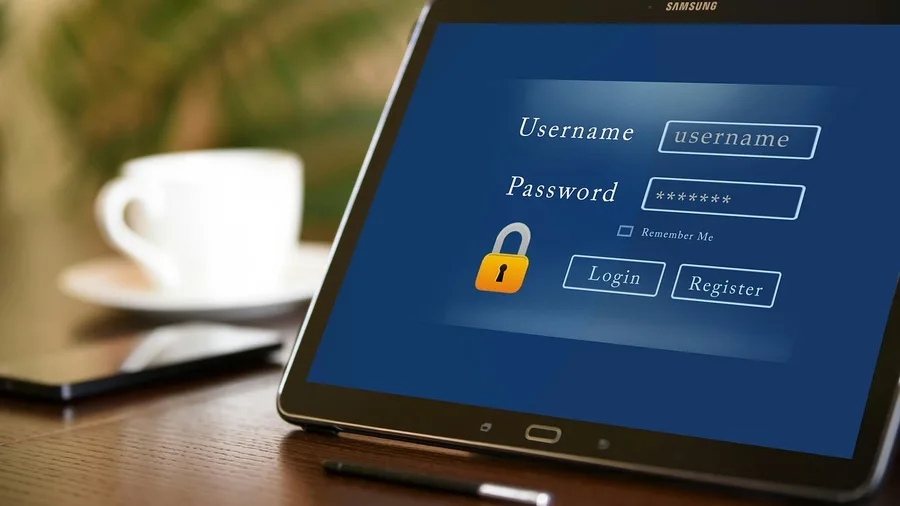
The riskiest file in this work is the one you upload to save time, because it is usually the buyer's document and not yours. That is a contract problem before it is a tool question.
Unless you switch the setting off, chats on free and personal plans can feed the company's model training. Do that first, before any client material goes near a chat box.
Three things never go in: passwords, medical or financial records, and files a client handed over under an agreement. Their confidentiality terms follow whatever you upload, and the chat window never signed that document.
The fix is a business-tier plan plus a written rule about what stays out. Speed and exposure come from the same upload, so you cannot have one without ruling on the other.
The habit: strip names, account numbers and anything that identifies a person, or keep the file out and work from a short description of it.
Pick one deliverable and one real client first

The version you can start this week is small, dull and checkable. The timestamp is a party anecdote, and the $300 figure is a sales page's opening line rather than a weekly wage.
Pick one file you can already judge: a one-page brief, a cleaned-up product listing, a rewritten bio. Set a price, take it to one buyer you can name, and sell it once before you think about volume.
Buy nothing until that first invoice clears. Then compare plans on OpenAI's own pricing page, where Free and Go show ads and Plus, Pro and Enterprise stay clear of them as of October 2026.
The week measured: one file delivered, one invoice paid, and a review time you know to the minute. That last number is the one the 10-to-60-second demo leaves out.
Frequently Asked Questions
Is the 5:55 ChatGPT trick real?
No. There is no OpenAI document, help page or release note that describes anything happening at 5:55. The time traces back to a launch-party footnote reported by Futurism, and the instruction around it carries no prompt, setting or repeatable step.
Where did the number 5:55 come from?
A model released on April 23 became ChatGPT's default on May 5, and the model chose 5:55 p.m. for its launch party, per the footnote. It is a detail about one release, not a documented behavior of the product at any given minute.
Can I really earn $300 a day with ChatGPT?
Put the figure to work and it turns into a full-time wage: $109,500 a year before costs, refunds and tax, or 10 sales of a $30 deliverable every single day. Legitimate income comes from freelance work, content, service sales or ad revenue, and it arrives in weeks, not days.
How long does ChatGPT take to write something I could sell?
A 700-word draft comes back in 10 to 60 seconds, and a long PDF is summarized in one to two minutes. The real cost is the 30 to 60 minutes you spend checking every fact, figure, quote and link before the file goes to a buyer.
Do I need to pay for ChatGPT to start?
Not to test one deliverable. Start on the free tier, but know that chats on free and personal plans may be used to improve the company's models unless you switch that off in settings. Check current plan prices on OpenAI's own pricing page before buying anything.
What should I never paste into ChatGPT?
Passwords, client files, and medical or financial records should stay out of the chat entirely. A client's NDA and work-for-hire terms still apply to whatever you upload, and the chat window is not a party to that contract.
A party footnote dressed up as a method, and one file to sell this week
5:55 is a launch-party footnote that got a dollar figure stapled to it, and $300 a day is a course pitch, not a wage. The arithmetic says so: 3,650 deliveries a year, with a review time the video never mentions.
The smallest next step costs nothing. Pick one deliverable you can already check, price it for one real buyer, and sell it once before you pay for any plan.
When you do buy, check prices and the ad-free tiers on OpenAI's own pages, since Free and Go carry ads as of October 2026 while the paid plans do not.