
In a remarkable step toward sustainable energy solutions, Google has announced a pioneering move by signing the world’s first corporate agreement to source electricity from multiple small modular reactors (SMRs).
This initiative aligns with the tech giant’s growing power needs fueled by the rapid expansion of artificial intelligence (AI) technologies.
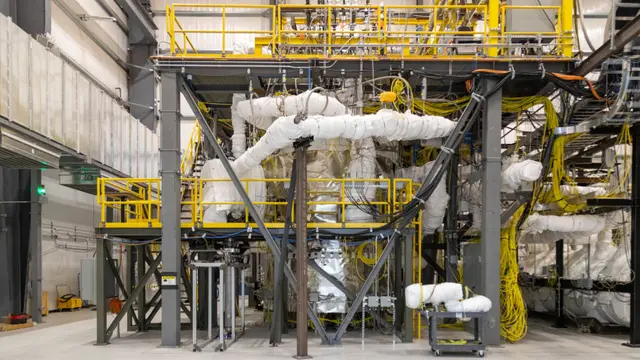
Partnering with Kairos Power, Google’s strategy involves having the initial SMR operational by 2030, with additional reactors in place by 2035.
These reactors are designed to provide a total of 500 megawatts, boding well for Google’s requirements for clean, dependable, and continuous power.
Michael Terrell, Google’s senior director for energy and climate, emphasized the importance of nuclear energy in supporting the company’s operations.
Highlighting nuclear power’s role, Terrell stated, “We feel like nuclear can play an important role in helping to meet our demand … cleanly in a way that’s more around the clock.”
This ambitious project is set against the backdrop of increasing energy consumption within the tech industry, particularly data centers.
As digital technology demands surge, industry leaders like Amazon and Microsoft are exploring nuclear energy to address escalating power needs.
While traditional energy sources like natural gas, wind, and solar continue to be crucial, nuclear power offers a potential solution for round-the-clock energy generation.
Kairos Power’s SMRs, noted for their factory-based construction, offer flexibility and efficiency compared to traditional reactors, making them an attractive option despite the complexities of the regulatory landscape.
Kairos Power has already secured a construction permit for a demonstration reactor in Tennessee, though the broader approval process remains a significant hurdle.
Despite the optimism, challenges lie ahead. Critics point to competition from large-scale nuclear plants and the persistent issue of nuclear waste management in the U.S.
However, Google’s commitment to working with Kairos on an “order book framework” suggests a long-term vision that could propel SMR technology forward.
Kairos CEO Mike Laufer expressed confidence in this partnership’s potential, underscoring the importance of meeting market demand efficiently.
“We’re confident that this novel approach is going to improve the prospects of our projects being delivered on cost and on schedule,” Laufer stated.
As energy needs grow increasingly complex, the tech industry’s engagement with nuclear power could signal a renaissance for the nuclear sector.
Google’s investment in SMRs may pave the way for broader deployment, underscoring a significant shift toward incorporating nuclear power into the digital age’s energy solutions.
The U.S. Nuclear Regulatory Commission is poised to expedite new reactor applications, aiming for efficient and thorough review processes, as confirmed by spokesperson Scott Burnell.