
A fan-built representation of Alan Turing’s revolutionary concept, the Turing Machine, is catching widespread attention online.
Titled the LEGO Turing Machine, this intricate model constructed entirely from LEGO bricks has garnered over 3,600 votes on the LEGO Ideas website, indicating that it may soon transform into an official set.
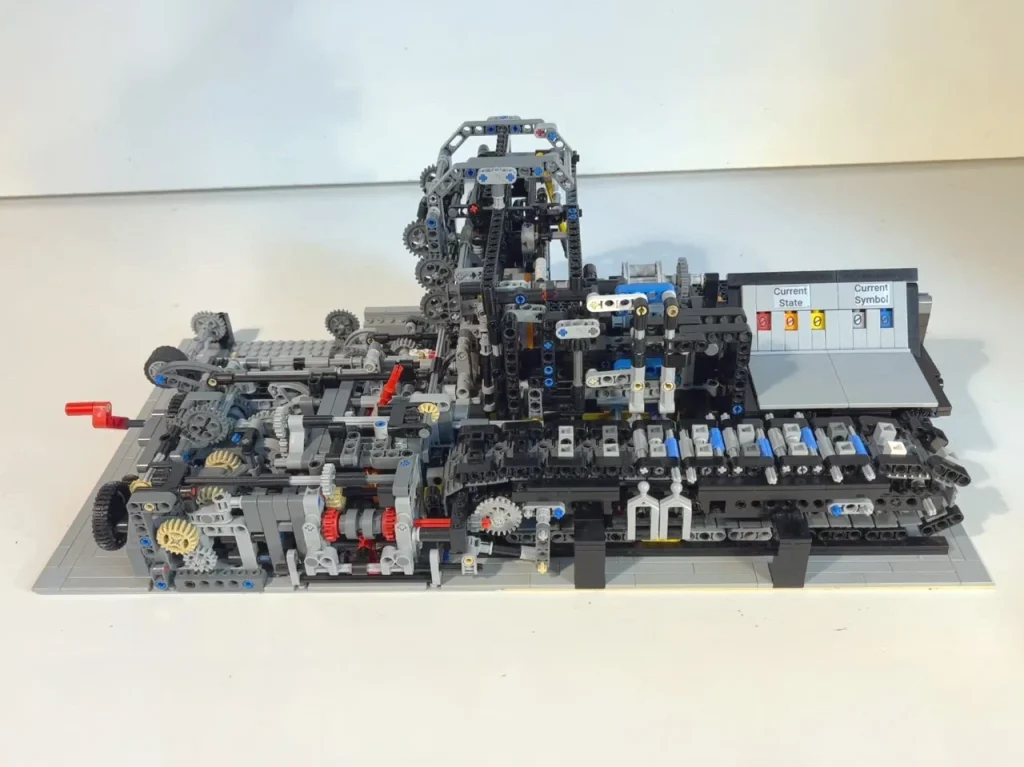
The brain behind this creation, known as The Bananaman, has managed to capture not just the essence but also the functionality of Turing’s pioneering machine.
This isn’t merely a lifeless model; it’s a fully operational device capable of computing algorithms without the use of electricity.
Utilizing a system of gears and linkages, the LEGO Turing Machine is powered by a simple hand crank.

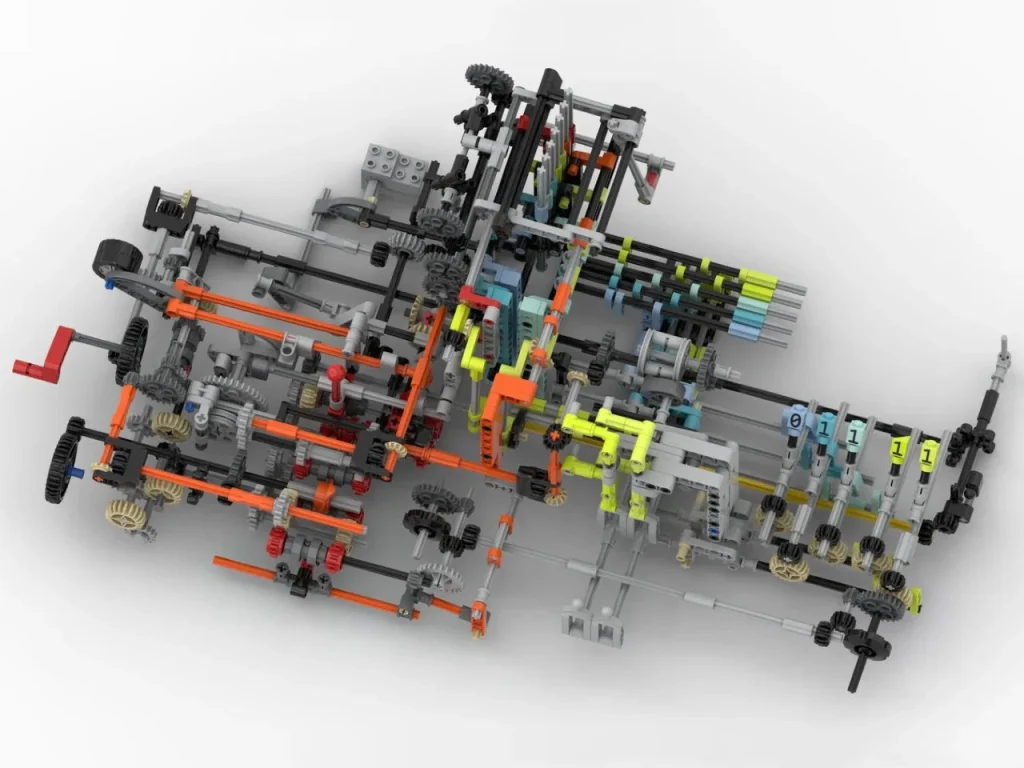
This mechanism skillfully reads, writes, and moves across a physical tape, mirroring the core functionality of the theoretical Turing Machine.

With symbols and states intricately crafted from LEGO, users can experience the operational capacity of an algorithmic computing machine at their fingertips.

The complexity of this LEGO masterpiece is unmistakable, assembled from over 2,900 pieces.
Each piece plays its role, contributing to either the machine’s structural integrity or its operational prowess.
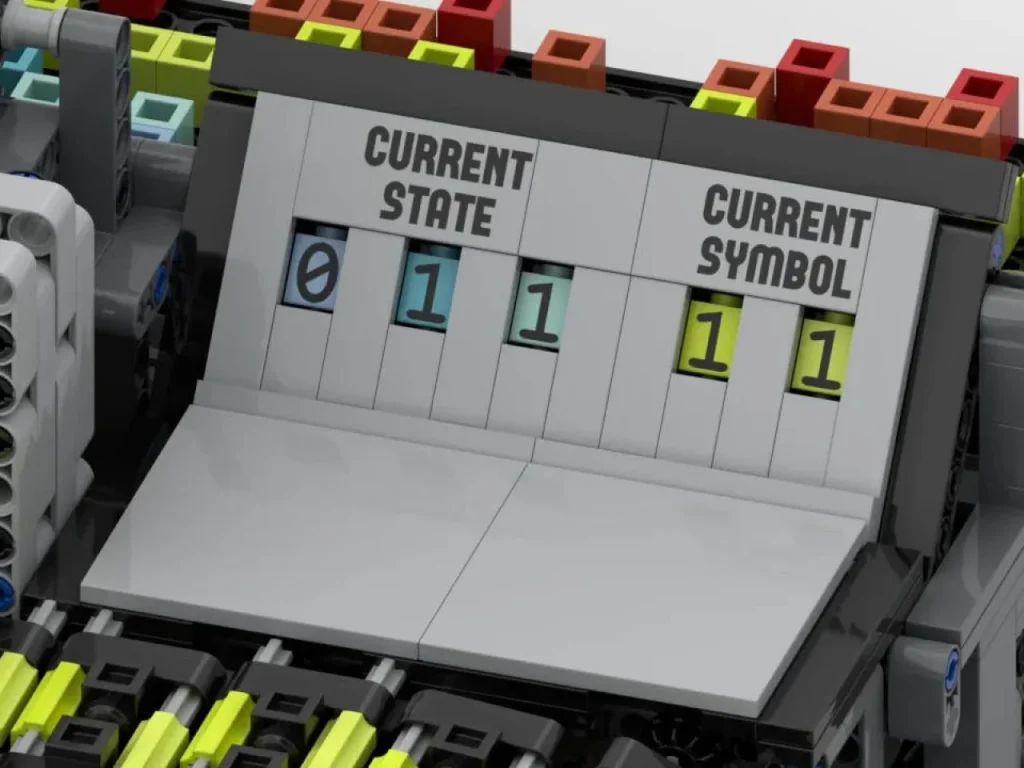
This level of detail ensures that the LEGO Turing Machine not only stands as a model of visual elegance but as a working device worthy of admiration.

The ingenuity of this design serves as a tribute to Alan Turing and his monumental contributions to computing and cryptography.
Originally conceived during the tense days of World War II, Turing’s invention was crucial in deciphering Germany’s Enigma code, helping secure an Allied victory.
The LEGO Turing Machine stands as a celebration of his enduring impact.

A tribute to both the past and the potential future, this LEGO creation provides a tangible approach to learning the fundamentals of modern computing.
Users can engage with the machine by running simple programs and observing the results, effectively bridging the gap between abstract algorithmic theory and hands-on experimentation.
The machine’s potential as a STEM educational tool extends its appeal beyond just a collectible item.
The hands-on experience it offers could foster curiosity and deepen understanding of how computers function, making it an invaluable resource for future computer scientists and engineers.
Currently a fan-favorite on the LEGO Ideas platform, this Turing Machine model seeks to hit 10,000 votes—after which an official review by LEGO could make it available to the wider public.
As such, the LEGO Turing Machine might soon inspire a new generation of scientific minds through its educational value, wrapped in the joyful medium of LEGO.